Clogged drain · Maple Valley, WA
Clogged drains, cleared and jetted when a cable isn't enough
Kitchen, bath and main-line clogs cleared with a cable first, then line jetting when the blockage needs more than a hole punched through it, so the whole run is actually clear.
Chapter 01
What actually backs up a drain
A kitchen line slows down gradually as grease coats the inside of the pipe, catching food scraps and coffee grounds against the buildup until what used to be a fast drain is a standing puddle that takes minutes to clear after a sink full of dishwater. It rarely happens overnight; the sink usually drains a little slower each week for a month or two before someone finally calls about it.
A tub or shower that drains slower every week is almost always hair building up at the trap or just past it, thick enough eventually to stop water moving at all and leave someone standing in an inch of water by the end of a shower. Bathroom sinks clog the same way, just slower, since less hair and less soap scum pass through a smaller drain.
The most disruptive clog is the one that backs up into the lowest drain in the house, usually a basement floor drain or a downstairs shower, because that means the blockage is in the main line rather than a single fixture. Water and waste from every other fixture in the house has nowhere else to go, so it comes up wherever the pipe sits lowest, which is exactly why a basement floor drain backing up is treated as more urgent than a slow bathroom sink.
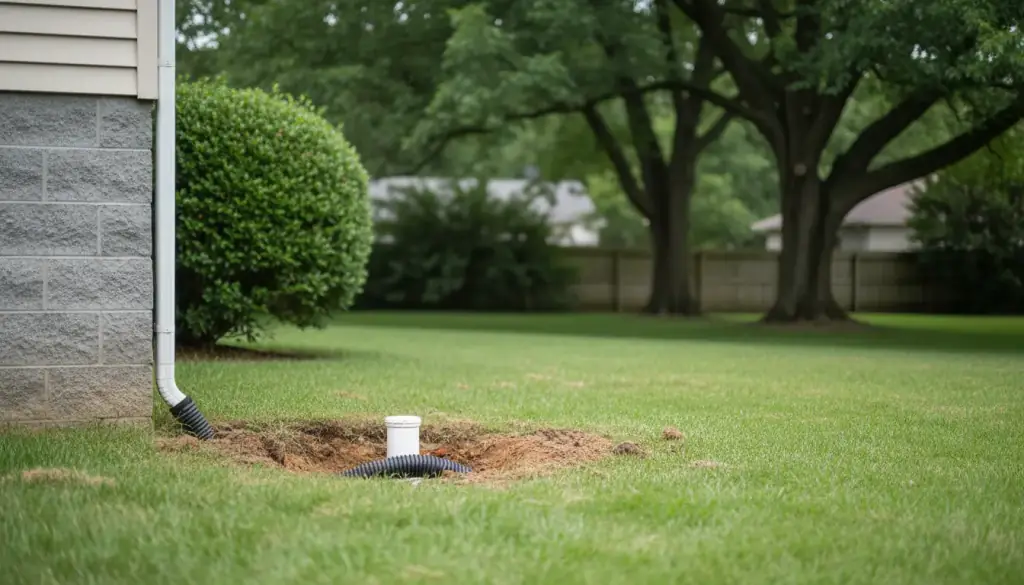
A drain cleanout riser and downspout drain line in a residential side yard
Cable first, jetting when a hole isn't enough
A cable is the first tool for most clogs, since it reaches the blockage and clears a path quickly without needing to pull a fixture or open the line. But a cable punches a hole through whatever's built up rather than removing it, which is fine for a loose clog, a wad of hair or a single object caught in the trap, and not enough for grease or years of buildup caked onto the pipe wall the whole way around.
Cahill's runs line jetting for those jobs, using pressurized water through a hose and nozzle to scour the full width of the pipe rather than just opening a channel through the middle of whatever's blocking it. That's the difference customers notice when a clog someone else "fixed" with a cable comes back within weeks: the pipe was punched through, not actually cleaned out, and the grease or scale left on the walls just closes back in around the hole.
Either way, the goal is the whole run clear, not just the trap or the first few feet past the fixture. A drain that's slow at the fixture but still backed up further down the line hasn't really been fixed, it's just had its symptom pushed out of sight for a while until the line fills back in and the same call gets made again a month or two later.
Chapter 03
What keeps a clog from coming back
Grease, coffee grounds and fibrous scraps are the biggest repeat offenders in a kitchen line, and none of them belong down the drain even with hot water running behind them, since grease that's liquid going down the drain solidifies further along the cooler pipe regardless. A clog that returns in the same spot every few months, rather than a one-off after a single bad meal or a lost toy, is worth treating as a signal about the main line rather than something to keep cabling through on its own every time it happens.
Homes on a septic system, common enough around Maple Valley, drain a little differently than a house tied into city sewer: what goes down the drain affects the tank directly, since there's no treatment plant downstream absorbing whatever gets flushed or poured. A slow drain paired with a soggy patch over the drain field points toward the septic side of the system rather than a simple clog, and that's a separate call worth making its own visit for rather than guessing at from the house side. Cahill's covers both, and knowing which one a house has changes what the fix actually is.
Cahill's jets lines when the job calls for it, not just cables them. Call (425) 432-1977.