Living on Septic: Habits That Keep Your System Healthy
A septic system works quietly for years when it's treated right, and starts showing problems fast when it isn't.
September 22, 2026 · 3 min read
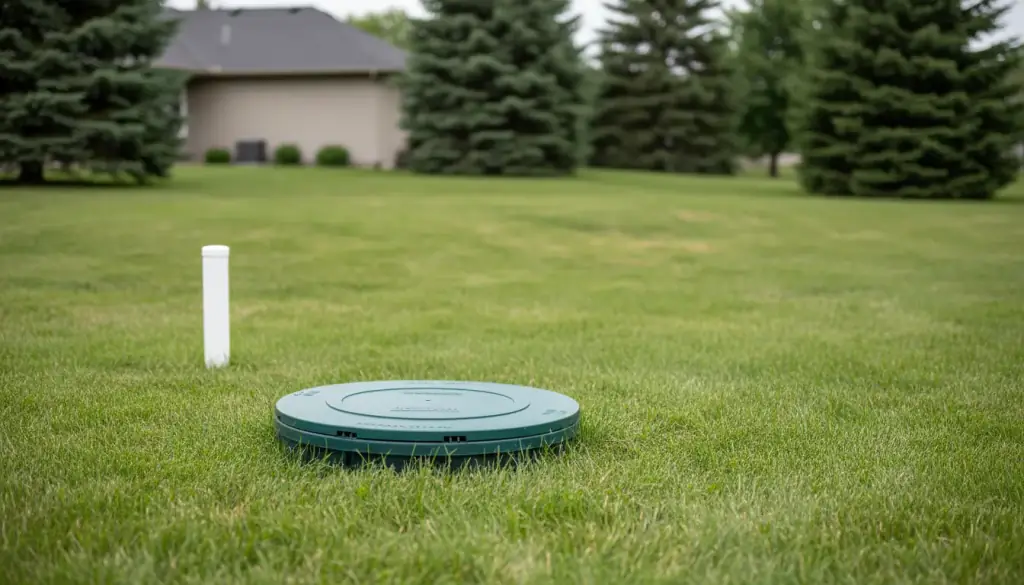
A lot of homes around Maple Valley, Kent, and the surrounding areas aren't on city sewer, they're on their own septic system, and most people don't think about it until something backs up. A septic system is actually pretty simple: wastewater flows into an underground tank where solids settle out, and the liquid that remains moves out to a drain field where the soil does the final filtering. It works well for decades when it's treated reasonably, and it gets expensive fast when it isn't. Understanding how the whole system works is the first step toward keeping it that way for the long haul.
What Goes Down the Drain Matters
The tank relies on bacteria to break down what enters it, and there's a limit to what those bacteria, and the tank itself, can handle. Grease and cooking oil solidify in the pipes and tank rather than breaking down. Wipes, even ones labeled flushable, don't break down the way toilet paper does, and they're one of the most common causes of a clogged line on a septic system. Harsh chemical drain cleaners can knock back the bacteria colony that's actually doing the work of breaking down waste. Even small amounts of paint, solvents, or old medication going down a drain can disrupt that balance, so it's worth treating a septic system as separate from a city sewer connection that can shrug off more. Keeping these out of the system is one of the simplest things a homeowner can do.
Watch Your Water Use
A septic system can only process so much water at once. Running the washing machine, dishwasher, and multiple showers back to back on the same day sends a lot of water into the tank in a short window, which can push it toward the drain field before solids have had time to settle. Spacing out heavy water use over the week, rather than doing everything on a Saturday, gives the system time to work the way it's designed to.
Protect the Drain Field Itself
The drain field is doing quiet, important work under the lawn, and it doesn't like being disturbed. Parking cars or heavy equipment on it can compact the soil and crush the pipes underneath. Planting anything with an aggressive root system nearby, especially trees, invites roots into the lines the same way they invade a water service line. Keeping the area over the field as simple grass, without structures, gardens, or driveways built over it, keeps it doing its job.
Inspection Access Makes a Real Difference
A septic tank with a proper riser and lid brought up to grade is a lot easier to check and service than one buried under a foot of soil with no visible access point. If your property has an older tank without a riser, it's worth asking about having one added, since it turns what used to be a full excavation just to open the tank into a straightforward lid lift. It's a small thing that makes every future inspection, pump out, or troubleshooting visit faster and less disruptive to your yard.
Signs It May Be Time for Service
Slow drains throughout the house, gurgling sounds from toilets or drains, soggy or unusually green patches of grass over the tank or drain field, and any sewage odor near the yard are all signs worth having looked at. How often a tank needs pumping depends on the household size, the tank itself, and how the system's been used, which is exactly why it's worth having someone actually inspect your system rather than guessing at a schedule. A qualified plumber can tell you where your tank actually stands rather than going off a generic number.
Keeping Your System in Good Shape
Cahill's Plumbing & Heating handles septic pumping, cleaning, and maintenance for homes throughout Maple Valley, Kent, Renton, Bellevue, and Seattle. If you're noticing slow drains or you just want an honest look at where your system stands, call (425) 432-1977. We'll give you a free estimate and a straight answer, not a sales pitch.
- Keep grease, wipes, and harsh chemicals out of the system entirely
- Spread heavy water use like laundry and showers across the week instead of one day
- Keep cars, structures, and aggressive tree roots away from the drain field
- Have the system checked if drains slow down or the yard develops soggy or bright green patches
Cahill's Plumbing & Heating, (425) 432-1977
Call (425) 432-1977More articles
What to Do in the First Ten Minutes of a Burst Pipe
Water damage gets worse by the minute, but a few calm steps in the right order can keep a bad afternoon from turning into a bad month.
Tank or Tankless Water Heater: What to Ask Before You Choose
The right water heater depends on your house and your habits, not on whichever unit happens to be on the truck that day.